

What Kills Termites? A Comprehensive Guide to Eradicating Infestations
Termites are among the most destructive pests a homeowner can encounter. These silent destroyers can cause extensive structural damage to your property before you even realize you have an infestation, leading to costly repairs. In North Carolina, subterranean termites are particularly prevalent, making proactive identification and effective treatment crucial. Understanding what kills termites and the various treatment options available can empower you to protect your home. A-1 Pest Control offers expert termite solutions throughout areas like Lenoir, Hickory, and Mooresville, NC.

Understanding the Threat: Why Termites Are So Destructive
Termites are social insects that live in colonies, often numbering in the hundreds of thousands or even millions. These colonies are highly organized, with different castes performing specific roles, including workers, soldiers, and reproductives (kings and queens). Workers are responsible for foraging for food, and unfortunately, their preferred food source is cellulose, which is found in wood, paper, fabric, and other organic materials commonly found in homes. As they tunnel through and consume wood, they compromise the structural integrity of your property.
The insidious nature of a termite infestation lies in its often-hidden progression. Termites typically work from the inside out, leaving the exterior wood surfaces seemingly intact while hollowing out the interior. This makes early detection challenging, often necessitating professional expertise.
Identifying a Termite Infestation in Your North Carolina Home
Early identification is key to minimizing damage. While seeing the termites themselves can be rare, especially subterranean species that prefer to stay hidden, there are several tell-tale signs to look for:
- Mud Tubes: Subterranean termites build narrow, pencil-sized mud tubes on foundation walls, floor joists, and other surfaces to protect themselves from predators and dry environments as they travel between their underground colony and your home.
- Discarded Wings: Swarmers (reproductive termites) are often mistaken for flying ants. After a swarm, they shed their wings, leaving small, translucent, fish scale-like wings near windowsills, doors, or light fixtures.
- Damaged Wood: Tap on wooden surfaces; if they sound hollow, it could indicate termite activity. You might also notice bubbling or uneven paint, or small holes in drywall.
- Frass (Termite Droppings): Drywood termites, common in warmer climates but sometimes found in furniture or imported wood in NC, leave behind tiny, pellet-like fecal matter that resembles sawdust.
If you suspect termite activity, it’s crucial to act swiftly. For residents in our service areas, contact A-1 Pest Control for a thorough inspection. Our experts are trained to identify even the most subtle signs of an infestation.
Professional Termite Treatment: What Kills Termites Effectively?
While some DIY methods might offer temporary relief for very minor issues, professional pest control is almost always necessary to effectively eradicate a termite colony and prevent future infestations. Professionals have access to advanced treatments, specialized equipment, and the knowledge to apply them safely and efficiently. At A-1 Pest Control, we utilize proven methods to tackle termite problems.
1. Termite Baiting Systems (e.g., Sentricon® System)
Baiting systems are an environmentally responsible and highly effective method for eliminating entire termite colonies. The Sentricon® System, a leading industry solution, involves placing bait stations in the ground around your home. Termites forage for the bait, which contains an insect growth regulator, and carry it back to their colony. This active ingredient prevents termites from molting properly, eventually leading to the collapse of the entire colony, including the queen. This method is effective because it targets termites where they live and breed, using their natural foraging habits against them. Our certified specialists are Authorized Operators of the Sentricon technology, ensuring precise installation and monitoring for optimum results.
2. Liquid Termiticide Treatments (e.g., Termidor®)
Liquid termiticides create a protective treated zone around and under your home. Products like Termidor® work by killing termites that come into contact with or ingest the non-repellent chemical. What makes Termidor® particularly effective is its 'transfer effect.' Termites unknowingly pick up the active ingredient and transfer it to other termites through social interaction and grooming, leading to a domino effect that can eliminate an entire colony. Our technicians precisely apply these treatments, often trenching around the foundation and injecting termiticide into the soil to create an impenetrable barrier that kills termites on contact and through transfer.
3. Direct Application Insecticides
For localized infestations or visible termite activity, direct application insecticides in foam or dust form can be used. These are applied directly into voids, galleries, or cracks where termites are present. The foam expands to fill crevices, coating termites, while dust adheres to their bodies, transferring the active ingredient within the colony. These methods are typically used as targeted treatments in conjunction with broader strategies.
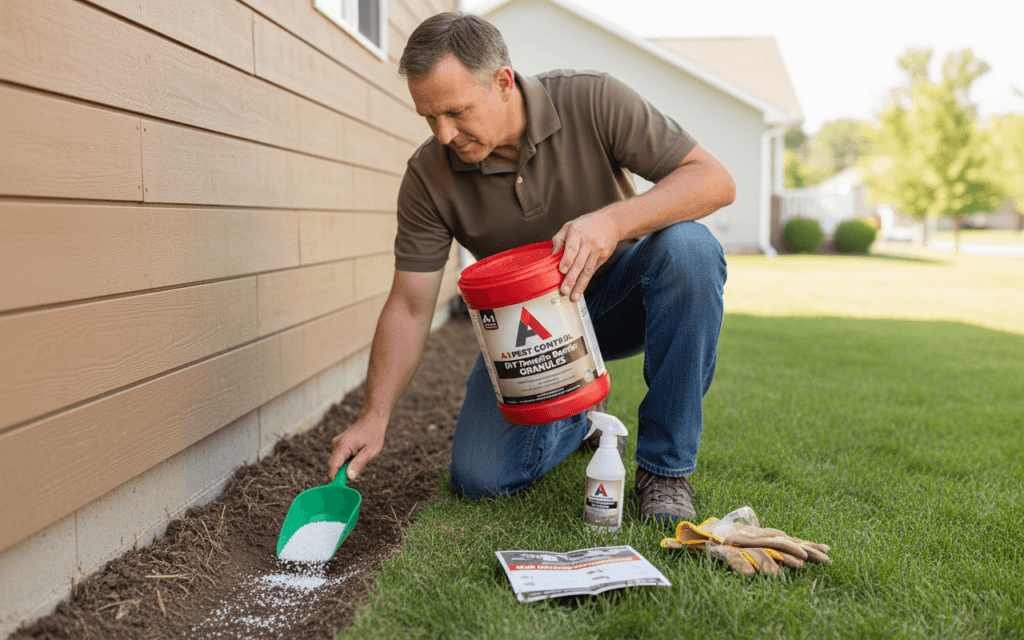
DIY Termite Treatments: What You Can Do (and What to Avoid)
While professional treatment is recommended for active infestations, there are some steps homeowners can take to deter termites and address very minor, localized issues. However, these are generally not sufficient for large or entrenched colonies:
- Nematodes: Beneficial nematodes are microscopic worms that are natural parasites to termites. They burrow into termites and release bacteria that kill them. These can be applied to infested soil areas and are environmentally friendly, posing no harm to pets or children. However, their effectiveness on a large scale for established colonies is limited. You can learn more about beneficial nematodes from sources like the USDA Animal and Plant Health Inspection Service (APHIS).
- Boric Acid: Boric acid can be attractive to termites and acts as a stomach poison, disrupting their nervous system. It can be applied to wood or in bait stations. However, precise application and concentration are crucial, and it's not a foolproof solution for extensive infestations.
- Essential Oils: Some essential oils, like orange oil (d-limonene) and neem oil, are touted for their termite-killing properties. Orange oil can dissolve termites' exoskeletons on contact, while neem oil acts as an insect growth disruptor. These are generally effective only for direct application to small, accessible colonies and do not address the main colony.
What to Avoid: Over-the-counter sprays often kill only the termites you see, failing to address the hidden colony. Attempting to manage a widespread infestation with DIY methods can lead to delayed professional treatment, allowing the termites to cause even more damage.
Preventing Termite Infestations
Prevention is always better than cure. Here are some critical steps to make your North Carolina home less attractive to termites:
- Eliminate Moisture: Fix leaky pipes, repair damaged gutters, and ensure proper drainage away from your foundation. Termites are attracted to moisture.
- Remove Wood-to-Soil Contact: Keep all wood components of your home, including siding, deck posts, and doorframes, from directly touching the soil. Create a barrier with concrete or gravel.
- Clear Debris: Remove woodpiles, old stumps, and construction debris from around your home.
- Maintain Your Yard: Trim shrubs and trees away from your house to improve airflow and reduce humidity levels.
- Seal Entry Points: Seal cracks in your foundation, gaps around pipes, and other potential entry points.
- Regular Inspections: Schedule annual termite inspections with a professional pest control company. This is especially important in high-risk areas like Lenoir, Hickory, and Mooresville, NC.
Why Choose A-1 Pest Control for Termite Eradication?
When it comes to protecting your most valuable asset from destructive pests, experience and expertise matter. A-1 Pest Control has been serving North Carolina communities for years, providing reliable and effective termite control solutions. Our team of certified technicians understands the specific termite species native to our region and the most advanced strategies to eliminate them. We offer comprehensive inspections, customized treatment plans using industry-leading products like the Sentricon® System and Termidor®, and ongoing monitoring to ensure your home remains termite-free.
Don't let termites compromise the safety and value of your home. If you're wondering what kills termites most effectively for your specific situation, trust the local experts. Contact us today for a free inspection and estimate. We're committed to protecting your home and giving you peace of mind.
Frequently Asked Questions About What Kills Termites
Can I really get rid of termites completely with DIY methods?
- For a truly effective and long-lasting solution, professional termite control is almost always necessary. DIY methods, while they might temporarily address a small, localized issue, rarely eradicate an entire hidden colony, especially for subterranean termites common in North Carolina. Professionals have the specialized tools, products, and expertise to find and eliminate the source of the infestation.
How long does it take for professional termite treatments to work?
- The timeline for termite treatment effectiveness varies depending on the method used and the extent of the infestation. Baiting systems like Sentricon can take a few weeks to several months to eliminate a colony entirely as termites need time to find and distribute the bait. Liquid treatments like Termidor can begin killing termites on contact, creating a protective barrier more quickly.
Are the chemicals used in termite treatment safe for my family and pets?
- Professional pest control companies prioritize safety. Modern termiticides are applied according to strict guidelines to minimize exposure to humans and pets. Our technicians are trained to apply treatments safely and will provide clear instructions on any precautions you need to take during and after the treatment process to ensure the well-being of your household.
How often should I have my home inspected for termites?
- It is highly recommended to have annual termite inspections, especially in areas prone to termite activity like North Carolina. Regular inspections allow professionals to detect early signs of infestation and address them before significant damage occurs. Even if you have a current protection plan, annual checks are crucial for ongoing vigilance.
What is the difference between subterranean and drywood termites?
- Subterranean termites require contact with soil to survive and build mud tubes to travel. They are the most common type in North Carolina. Drywood termites live entirely within the wood they infest and do not need contact with soil; they are less common in our region but can be found in furniture or other wood products. Understanding the type of termite helps determine the most effective treatment approach.
Will my homeowner's insurance cover termite damage?
- Unfortunately, most homeowner's insurance policies do not cover termite damage because it is generally considered preventable through proper home maintenance. This underscores the importance of proactive termite prevention and regular professional inspections to protect your financial investment.