

Identifying and Eliminating Common Ants in NC
As the weather warms up here in North Carolina, many of us look forward to spending more time outdoors. But with the joys of spring and summer often comes an unwelcome guest: common ants in NC! If you've ever found a trail of tiny invaders marching across your kitchen counter, you know how frustrating it can be.
Here at A-1 Pest Control, we understand the challenges homeowners face when dealing with these persistent pests. That's why we're here to help you identify the most common ants in NC and equip you with the knowledge to effectively eliminate them.
Ants aren't just a nuisance; some species can cause structural damage or even pose health risks. Knowing what you're up against is the first step toward effective ant control. Let's dive into the world of North Carolina ants and discover how to keep your home ant-free.
Understanding Ant Behavior: Why Are They In My Home?
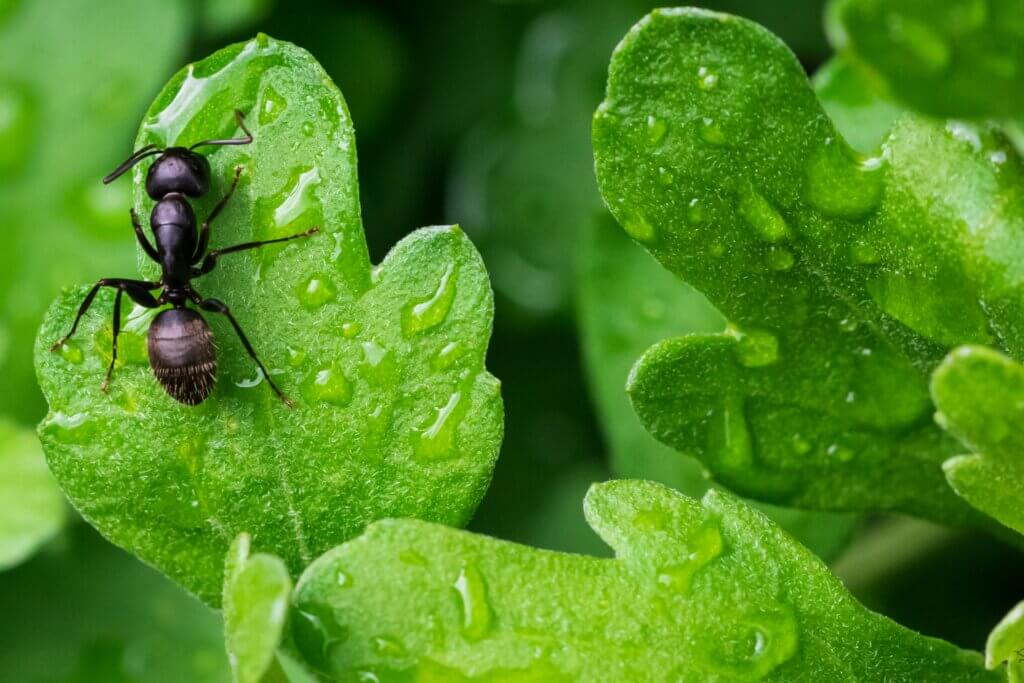
Before we talk about specific species, it's helpful to understand why ants invade our homes in the first place. Ants are constantly searching for three things: food, water, and shelter. Our homes, with their readily available crumbs, leaky pipes, pet food, and cozy nooks, are often irresistible targets.
They typically enter through tiny cracks in foundations, gaps around windows and doors, damaged weather stripping, or even through utility lines. Once a scout ant finds a food source, it lays down a pheromone trail, signaling to the rest of the colony that a feast awaits. This is why you often see them traveling in long, organized lines.
Weather also plays a major role in ant activity throughout North Carolina. Heavy rain can force colonies indoors in search of dry shelter, while hot summer temperatures may drive ants inside looking for moisture. Seasonal shifts often increase indoor infestations, especially during spring and early summer when colonies become more active.
Another important factor is colony size. Many species found in NC can grow rapidly once established. Some ants even create satellite colonies, meaning you may eliminate one visible group while another remains hidden elsewhere in the home.
Understanding ant behavior can help homeowners take proactive steps to reduce infestations before they become severe.
The Importance of Early Detection
Spotting a few ants might seem minor, but it can quickly escalate into a full-blown infestation. Early detection and intervention are crucial. The sooner you address the problem, the easier it will be to get rid of ants NC residents often struggle with.
One of the biggest mistakes homeowners make is ignoring occasional ant sightings. A single line of ants may indicate a much larger colony hidden behind walls, beneath flooring, or outside near the foundation. Some species can establish thousands of workers in a relatively short amount of time.
Keep an eye out for warning signs such as:
- Trails of ants along walls or countertops
- Small piles of dirt or debris near cracks
- Wood shavings or “frass” around wooden structures
- Rustling sounds inside walls
- Swarming ants near windows or doors
- Ant mounds in the yard
Early treatment not only helps prevent damage but can also save homeowners money on future repairs and pest control services.

Common Ants in NC You Might Encounter
North Carolina is home to a variety of ant species, each with its own characteristics and habits. Knowing which type you're dealing with can significantly impact your treatment strategy. Here are some of the most common ants in NC:
Odorous House Ants
These small, dark brown or black ants are probably the most frequently encountered ants in homes across North Carolina. Their name comes from the strong, rotten coconut-like odor they emit when crushed. They are attracted to sweets and can often be found foraging in kitchens and pantries.
Odorous house ants typically nest in wall voids, beneath floors, or in soil outdoors under rocks and logs. They are highly adaptable and can establish multiple colonies, making them particularly challenging to eradicate without professional help.
Because they prefer sugary foods, homeowners often notice them around spilled drinks, fruit, honey, or candy. However, they can also feed on grease and protein when necessary. Their ability to relocate colonies quickly means that spraying visible ants may actually worsen the problem by causing the colony to split into multiple nests.
The best approach for controlling odorous house ants usually involves identifying nesting sites, removing food sources, and using targeted bait treatments.
Carpenter Ants
Carpenter ants are larger than most other ant species, ranging from 1/4 to 1/2 inch long, and are usually black, red and black, or dark brown. Unlike termites, carpenter ants don't eat wood; they tunnel through it to create nests, which can cause significant structural damage over time.
You might find carpenter ants foraging for food at night, often near sources of moisture like leaky roofs, damaged siding, crawl spaces, or plumbing leaks. Sawdust-like shavings (frass) near wooden structures can be a tell-tale sign of their presence.
Carpenter ants are especially attracted to damp or decaying wood. Homes with moisture issues are particularly vulnerable to infestations. Over time, these ants can weaken support beams, decks, window frames, and other wooden structures.
Signs of carpenter ants include:
- Rustling noises inside walls
- Large winged ants indoors
- Hollow-sounding wood
- Frass piles near wooden surfaces
- Increased nighttime ant activity
If you suspect carpenter ants, it's vital to act quickly to prevent extensive damage to your home. Professional inspections are often recommended because colonies can be difficult to locate.
Pavement Ants
Pavement ants are small, dark brown to black ants, about 1/8 inch long, with parallel grooves on their heads and thoraxes. As their name suggests, they commonly nest under pavement, sidewalks, and driveways, but they can also invade homes, especially seeking food.
These ants are opportunistic eaters, feasting on a wide variety of foods, including grease, sweets, meats, and other insects. You'll often see them trailing in large numbers, particularly during warmer months.
Pavement ants frequently enter homes through foundation cracks and gaps around doors. Once inside, they may establish nests beneath flooring or behind walls.
Although they are not considered dangerous, pavement ants can become extremely persistent. Their colonies often contain thousands of workers, and they are known to defend territory aggressively against other ant colonies.
Preventative measures include:
- Sealing exterior cracks
- Keeping kitchens clean
- Storing food in airtight containers
- Eliminating standing water
- Trimming vegetation away from the home
Fire Ants
While more common in southern parts of NC, fire ants are a serious concern due to their painful stings. They are reddish-brown and build distinctive mounds in sunny, open areas. If disturbed, they will aggressively swarm and sting, injecting venom that causes burning, itching, and sometimes pustules.
Fire ants are a significant outdoor pest, but they can occasionally enter homes, especially during floods or droughts. Their mounds are often found in lawns, gardens, playgrounds, and near sidewalks.
For some individuals, fire ant stings can trigger severe allergic reactions requiring medical attention. Pets and children are especially vulnerable due to accidental contact with mounds.
Attempting to disturb or destroy fire ant mounds without proper treatment can make the infestation worse. Colonies may split and relocate to nearby areas.
Professional fire ant treatments often involve specialized bait systems and mound treatments designed to eliminate the queen and entire colony safely.
Argentine Ants
Argentine ants are small, light to dark brown ants, about 1/16 to 1/8 inch long. They are known for forming massive colonies with multiple queens, often creating interconnected “supercolonies.”
These ants are highly invasive and can quickly overtake homes, yards, and landscaping areas. Argentine ants are particularly attracted to moisture, making kitchens, bathrooms, crawl spaces, and leaky plumbing for common ants in NC infestation sites.
One reason Argentine ants are so difficult to control is their colony structure. Unlike many ant species that compete with one another, Argentine ants cooperate across colonies. This allows them to expand rapidly and dominate entire neighborhoods.
Homeowners may notice:
- Long, persistent ant trails
- Heavy activity around sinks and plumbing
- Ants entering during dry weather
- Increased infestations after rainstorms
Because of their large colony networks, professional treatment is often the most effective long-term solution.
Acrobat Ants
Acrobat ants get their name from their unusual defensive behavior. When threatened, they raise their heart-shaped abdomen over their heads. These ants are small and range from light brown to black in color.
Acrobat ants often nest in damp or decaying wood, making them similar to carpenter ants in some ways. However, they are more likely to invade homes that already have moisture damage or previous insect infestations.
These ants may also nest in insulation, wall voids, and behind siding. Outdoors, they commonly inhabit tree stumps, logs, and rotting branches.
While acrobat ants do not cause the same level of structural damage as carpenter ants, their presence often indicates underlying moisture issues that should be addressed immediately.

How to Prevent Ant Infestations in NC Homes
The best way to handle ants is to prevent them from entering your home in the first place. A combination of cleanliness, maintenance, and proactive pest prevention can dramatically reduce the likelihood of infestations.
Keep Food Sources Sealed
Ants have an incredible ability to detect food. Even tiny crumbs can attract scout ants. Store food in airtight containers and wipe down counters regularly.
Be especially mindful of:
- Pet food bowls
- Sugary spills
- Trash bins
- Pantry shelves
- Dirty dishes left overnight
Regular kitchen cleaning is one of the simplest and most effective forms of ant prevention.
Eliminate Moisture Problems
Many ant species are drawn to moisture. Fixing leaks and reducing humidity can make your home less appealing to ants.
Check for:
- Dripping faucets
- Leaky pipes
- Standing water
- Poor drainage around foundations
- Damp crawl spaces
Using dehumidifiers in basements and crawl spaces can also help reduce pest activity.
Seal Entry Points
Inspect your home's exterior for cracks, gaps, and openings. Even tiny spaces can allow ants inside.
Common ants in NC entry points include:
- Window frames
- Door thresholds
- Utility line openings
- Foundation cracks
- Roof vents
Applying caulk and weather stripping can significantly reduce indoor ant activity.
Maintain Your Yard
Outdoor maintenance plays a major role in preventing ants from migrating indoors.
To reduce infestations:
- Trim tree branches away from the house
- Remove rotting wood and debris
- Keep mulch away from the foundation
- Store firewood away from the home
- Address standing water issues
Landscaping maintenance creates a less inviting environment for ants and other pests.
DIY Ant Control vs. Professional Pest Control
Many homeowners try DIY ant treatments first. While some store-bought products may temporarily reduce activity, they often fail to eliminate the entire colony.
Spraying visible ants may only kill workers while leaving queens and hidden nests untouched. In some cases, improper treatment can cause colonies to split and spread further throughout the property.
Professional pest control offers several advantages:
- Accurate species identification
- Customized treatment plans
- Safe application methods
- Long-term prevention strategies
- Access to professional-grade products
At A-1 Pest Control, we understand that every infestation is unique. Our experienced technicians use targeted treatments designed specifically for the types of ants in NC homes and businesses.
Why Professional Ant Identification Matters
Different ants require different treatment methods. A strategy that works for odorous house ants may not work for carpenter ants or fire ants.
Misidentification can lead to:
- Wasted money on ineffective products
- Ongoing infestations
- Increased property damage
- Larger colonies over time
Professional inspections help identify the exact species, locate nesting sites, and create an effective elimination plan.
Seasonal Ant Activity in North Carolina
Ant activity in NC changes throughout the year.
Spring
Colonies become active after winter dormancy. Homeowners often notice increased scouting activity indoors.
Summer
Ant populations peak during hot weather. Outdoor colonies expand rapidly, increasing the likelihood of indoor invasions.
Fall
As temperatures cool, ants begin searching for shelter and food indoors.
Winter
Some species remain active indoors, especially in heated homes with accessible food and moisture.
Year-round pest management can help prevent seasonal infestations before they become major problems.

When to Call A-1 Pest Control
If you're dealing with recurring ants, large colonies, carpenter ant damage, or painful fire ants, it may be time to contact the professionals.
At A-1 Pest Control, we proudly help North Carolina homeowners protect their homes from ants and other pests. Our experienced team understands the unique pest challenges facing NC residents and provides customized solutions designed for long-term results.
Whether you're dealing with odorous house ants in the kitchen, carpenter ants in your walls, or fire ants in your yard, we can help identify the problem and create an effective treatment plan tailored to your property.
Final Thoughts on Common Ants in NC
Ant infestations are one of the most common pest problems homeowners face in North Carolina. From odorous house ants and pavement ants to destructive carpenter ants and aggressive fire ants, understanding the types of ants in NC is the first step toward effective control.
By staying proactive, addressing moisture issues, sealing entry points, and maintaining cleanliness, homeowners can greatly reduce the risk of infestations. However, when ants become persistent or widespread, professional pest control services can provide the expertise and long-term protection needed to restore peace of mind.
If you're tired of battling ants in your home or yard, A-1 Pest Control is here to help. Our team is committed to providing reliable, effective pest control solutions that keep your home protected year-round.