

Crawl Space Encapsulation: What It Is and When to Consider It
Crawl space encapsulation is a moisture-control approach that helps separate the area beneath a home from damp soil and outdoor air. For North Carolina homeowners, it can be worth considering when a crawl space has ongoing moisture, humidity, pest-entry, or odor concerns.
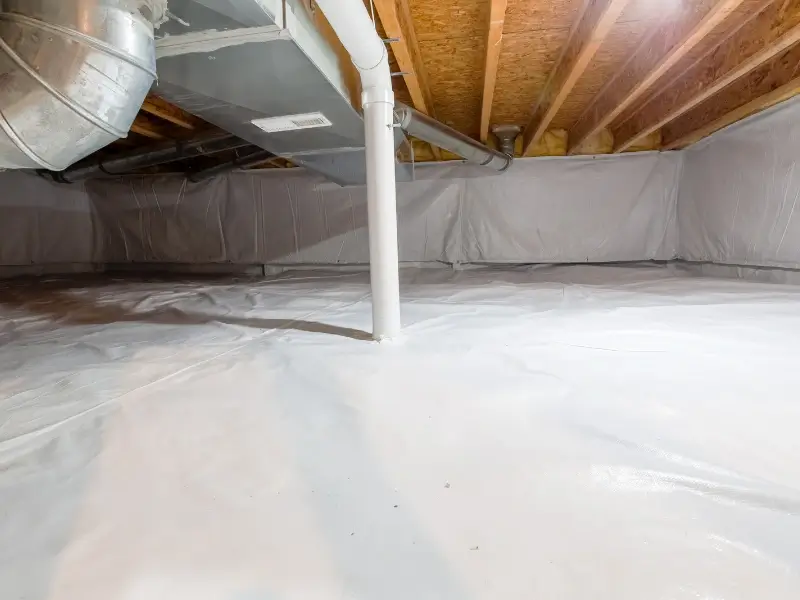
What Is Crawl Space Encapsulation?
Crawl space encapsulation involves covering the crawl space floor and foundation walls with a reinforced moisture barrier, then sealing gaps, vents, and other openings that may allow unwanted outside air or moisture into the space. Depending on the conditions beneath the home, crawl space care may also include a dehumidifier for ongoing humidity control.
The goal is not simply to place plastic over the ground. A complete approach considers the condition of the crawl space, possible moisture sources, access points, and how the space will be managed after the liner is installed.
At A-1 Pest Control, crawl space encapsulation teams use a reinforced polyethylene liner to cover the floor and foundation. The liner is intended to help create a barrier between the crawl space and ground moisture.
Why Crawl Space Conditions Matter
A crawl space is out of sight, but problems in that area can affect other parts of the home. Damp conditions, damaged insulation, openings around the foundation, and standing water can create an environment that deserves attention. Encapsulation may be one part of a broader crawl space care plan when moisture management and pest exclusion are needed.
Signs Your Crawl Space May Need Attention
Not every humidity or pest problem starts in a crawl space. Still, the following signs can be reasons to inspect the area beneath your home.
Musty Odors or Excess Indoor Humidity
A persistent musty smell, damp feeling indoors, or unusually high humidity may point to excess moisture somewhere in the home. A crawl space inspection can help determine whether the area below the home is contributing to the issue.
Visible Moisture, Damp Insulation, or Water
Wet insulation, condensation, damp soil, water staining, or standing water are signs that the crawl space needs evaluation. Before encapsulation, the source of water or moisture should be identified so the moisture-control plan addresses the conditions present.
Insect or Rodent Activity
Ants, cockroaches, crickets, rodents, and other pests can use gaps and openings around a home to gain access. Pest activity indoors does not automatically mean the crawl space is the source, but moisture and entry points below the home can be important parts of a thorough inspection.
Mold or Mildew Concerns
Moisture can support mold and mildew growth. If you see suspected mold or notice odors associated with damp conditions, have the source assessed promptly. A crawl space care plan may help manage the conditions that contribute to ongoing moisture, but it should be paired with an appropriate evaluation of the affected area.
What Does a Crawl Space Encapsulation Project Include?
The details vary by home, but a crawl space encapsulation assessment commonly focuses on the following areas:
- Existing moisture, water intrusion, and drainage concerns
- The condition of insulation, framing, and accessible foundation areas
- Gaps, vents, and other openings that may allow outside air, moisture, or pests inside
- Installation of a reinforced liner across the crawl space floor and foundation walls
- Sealing and detailing around penetrations and access points
- Whether dehumidification is appropriate for ongoing humidity management
Encapsulation is not a substitute for correcting active leaks, drainage issues, or other sources of water. Addressing those conditions first is an important part of choosing the right solution.
Should You DIY Crawl Space Encapsulation?
Some homeowners choose to inspect their crawl space or research a do-it-yourself project. That can help you understand the area, but crawl spaces can be difficult to access and may have hidden moisture sources, damaged materials, or pest-entry points that are easy to miss.
If you are considering doing the work yourself, review how to encapsulate a crawl space and be realistic about the condition of the space. A professional inspection can help identify concerns that should be addressed before a liner is installed.
When to Contact a Crawl Space Care Professional
Consider professional crawl space care if you notice recurring dampness, musty odors, pest activity, damaged insulation, visible water, or concerns about openings beneath your home. An inspection can help clarify whether encapsulation, dehumidification, pest exclusion, or another moisture-control measure fits the conditions of your property.
A-1 Pest Control provides crawl space care services for homeowners in North Carolina. For help evaluating conditions beneath your home, contact A-1 Pest Control to discuss your crawl space concerns.
What is crawlspace encapsulation: your home's crawl space is an important part of the foundation that, when taken care of properly, can sustain the health and durability of your home. Make sure you take care of your home with professional crawlspace care services. Our team can provide quality crawlspace care and pest control services for your property. Contact us at 828-481-9140 or fill out the form below to learn about our crawl space encapsulation services in North Carolina!